3 Reasons Commonly Cited For Why Your Replace Lock Upvc Door Isn't Working (And The Best Ways To Fix It)
How to Replace a UPVC Door Lock Changing the lock on a uPVC door lock might seem daunting, but with the proper preparation and understanding, you can do it yourself without the need to hire a locksmith. Refer to the manual of the manufacturer for specific instructions, and gather all tools and materials beforehand. Firstly, locate the screw holding the barrel lock in place. Take it off and store it in a safe place. Replacement Locks There are many alternative locks for uPVC door doors that offer various levels of security and function. From a simple euro-cylinder lock to a more secure anti-snap model, there are many choices. They are usually more durable options that has a stronger internal structure designed to resist picking and tampering. You can also add an anchor or chain to provide your door with additional protection from burglaries. Many people choose to replace the door lock made of uPVC for a variety of reasons. One of the reasons is the desire to increase security, replacing a damaged lock, or moving into a new residence. It is possible to complete this task on your own, but it is always best to hire a locksmith that is skilled and knowledgeable. A professional locksmith will provide expert advice and ensure the work is done to the highest standards. Maintain your uPVC locks in good working order. This means cleaning it often and lubricating it whenever needed. A regular lubrication will help to minimize the chances of your lock jamming or getting stuck, and will also improve the overall performance of your door. It is recommended to use an oil that has been approved, like one based on graphite which will not attract dust. Try this at least every six months, or more often in the event that you observe any problems. Other indications that you may need to replace your uPVC door locks are obvious damage or a loose handle, or sporadic functioning. It is essential to replace your door lock at the time it begins to show signs of wear and wear and tear. This could be a security risk. It's not difficult to replace your uPVC locking cylinder. It can be done in just five minutes. The lock barrel screw typically has a different color than the other screws on the uPVC doors. After you have removed the screw, rotate the barrel lock to the right. Slide out the old barrel and slide in the new. Key Replacement A common problem with uPVC door handles is that they can become stuck in an open position. This can be due to broken hinges in the lock or excessive force. To fix the problem tighten the screws inside the barrel of your lock. This will allow the lock to work smoothly and effortlessly. Lubricants can also keep your uPVC lock in good working order. Using a graphite-based lubricant will prevent dust from accumulating and will ensure smooth operation. If the uPVC lock feels flimsy or is difficult to lock or unlock, it is time to replace the lock cylinder. With a basic toolkit this is a simple job that can be completed at home. To begin you must open the door and locate a screw close to the lock cylinder. With a screwdriver loosen the screw. Keep it in a secure place. Once the old cylinder is been removed, replace it with the new one and secure it with the long screw. The handle should be placed in its socket, and then thread the spindle into the socket. Screw the long screw back into its place and test the door to make sure it is working correctly. Switching your uPVC lock is a crucial part of maintaining your home's security. Upgrade to a top-quality anti-snap locking system to mitigate the most common attack method and provide superior security. You can also select the cylinder made to withstand different types of attack. Squire and Mul-T-Lock two of the top lock makers, have created a snap-resistant lock cylinder named “Snapsafe.' Replacing a uPVC door lock isn't only cheap and simple, but it will increase the security of your home. If you are not confident that you'll be able complete this DIY project in a professional manner it is recommended to seek out a professional locksmith to make sure the job is done properly and also to give advice on which lock to use. Professional locksmiths use the latest tools and make sure that your new lock is installed securely. They will also be able to advise you on the most suitable uPVC lock to meet your specific needs. Installation A door lock that is not working properly can be a serious security risk. www.repairmywindowsanddoors.co.uk damaged lock can permit intruders to open the door and gain access to your home. It can also affect the security of your window or door frame, which can make it an insecure element of your home's overall security system. If your uPVC lock is damaged, you should replace it as soon a feasible. Fortunately, replacing the mechanism of a uPVC lock is a relatively simple task that does not require the assistance of a locksmith. The process involves removing the old lock mechanism, replacing the new cylinder, after that, securing it to the door. You'll require a screwdriver, a drill that has a 5mm bits, as well as the hammer. Identifying the kind of uPVC lock you have is the first step. There are numerous variations of these locks, therefore it is essential to identify the model you have. This will assist you in selecting the right replacement lock. There are several brands to choose from, including Avocet, Fulltex GU Ferco, Mila, and Yale. Once you have identified the kind of uPVC door lock, you can remove the handles by loosening the screws holding them in place with the help of a screwdriver. Once the handles are removed, you can see the lock cylinder and take it off. it. When you're ready to install a new lock, it's essential to measure precisely the handle and door. This will ensure that the new lock will fit perfectly and won't compromise security. After you have installed the new cylinder lock, reattach the door handles by threading the spindle through the handle socket and then inserting the key of the handle into the lock cam. The key should not be rotated into or out of the lock. Tighten the screw after making sure the key cannot be bent. It's a great idea to test your uPVC lock from outside and inside of your home to ensure it functions properly. If the lock is functioning correctly you can pat yourself on the back and rest at peace knowing that your home is secure and secure! If you're still having problems with the lock, you may need to call a professional. Maintenance Keeping your locks in good working order is essential, not just to protect your home, but also to ensure that they can be used without issue. If you know that an upvc lock will need to be replaced it's not a difficult task to tackle yourself. If the issue is more complicated or requires dismantling of the door mechanism, you'll require the assistance of a professional. Identifying the lock's type is the first step. There are many variations, but the most common ones include Avocet Fulltex GU Ferco Mila and Yale. It is easier to find the correct part for your door if you are familiar with the name of the manufacturer. The lock mechanism and handle will need to be removed next. This can be accomplished with the help of a screwdriver, but it's best to ask for assistance from someone with experience of working on uPVC doors. You should not remove the screws that hold the handle in place. This could cause the mechanism to be disconnected from the door. 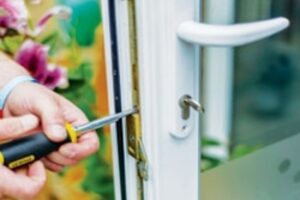 Once the lock and handle are removed, you can start to work on replacing the cylinder. This is the time to measure the cylinder, which are essential for making sure that the new lock fits correctly and doesn't compromise security. You'll need to take measurements of the overall length of the cylinder, the backset, and the distance from the handle to the barrel screw. If your doors made of upvc are not locking, the multipoint lock may have moved or slipped. This can be solved by a locksmith who makes small adjustments to the alignment of the mechanism and the door. It is easy to tell if this is the problem by having to lift the handle in order to get it to connect with the lock. The materials used in uPVC door locks can fatigue and become brittle in time. They are frequently exposed to extreme cold and heat which can cause them to break or snap. If the lock mechanism is a victim of this, it can be difficult to open or close the door, and it could lead to the lock breaking completely. The issue can be fixed by lubricating all the mechanisms. This will allow the components to move easily and smoothly, preventing them from breaking.